In the past week, Iranian-backed Yemeni Houthis carried out their largest attack on Saudi Arabia in recent years. This action has not only increased tensions in the region but also demonstrates the Houthis' determination to challenge regional and global powers.
Changes in Regional Equations
This attack, which military experts say was coordinated and utilized advanced technologies, indicates significant changes in the military equations of the Middle East. Specifically, this situation could lead to the formation of a new proxy war between Iran and Saudi Arabia.
Analysts believe that this action by the Houthis sends a message to Saudi Arabia and its Western supporters that they can no longer easily ignore developments in Yemen. While Saudi Arabia is trying to focus on controlling its borders and preventing any external threats, this attack shows that the Houthis are easily capable of conducting complex military operations.
Consequences of This Conflict
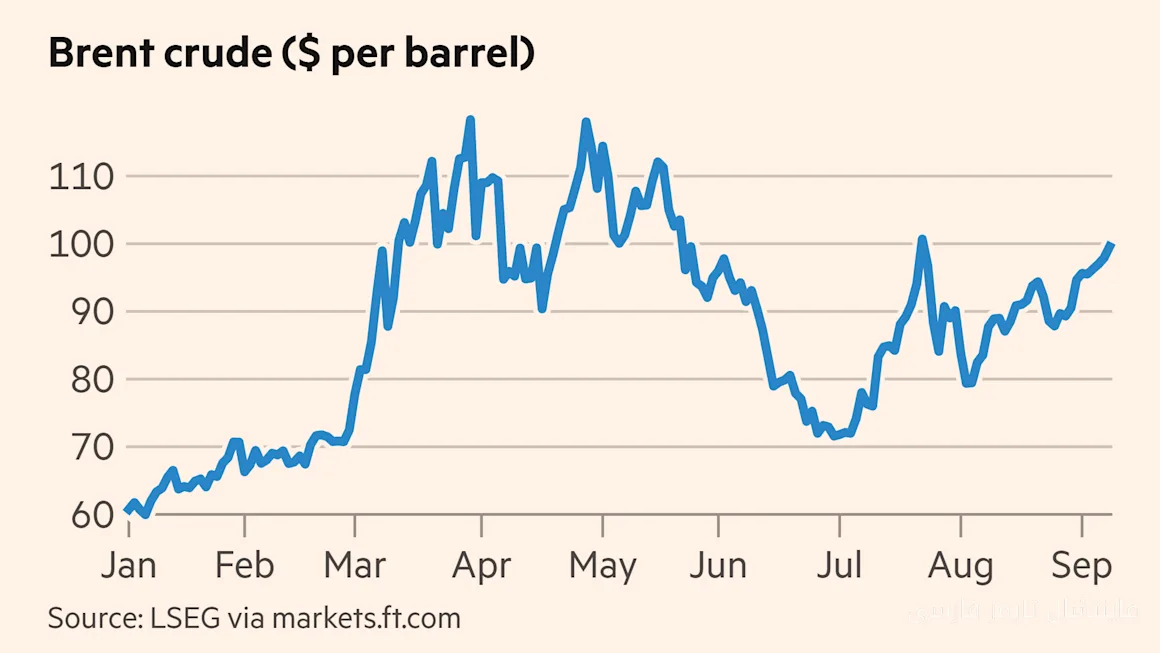
The consequences of this conflict could extend beyond the borders of Yemen and Saudi Arabia. Given that Saudi Arabia is a key player in the global oil market, any tension in this country could have widespread impacts on oil prices and energy security worldwide. Additionally, these developments may lead to an increased military presence of Western countries in the region.
Ultimately, given the current situation, it seems that this conflict will not be limited to an internal war and may become a battleground for further confrontations between regional powers. With this in mind, the future of the Middle East remains shrouded in uncertainty, and no one can predict with certainty where these tensions will lead.