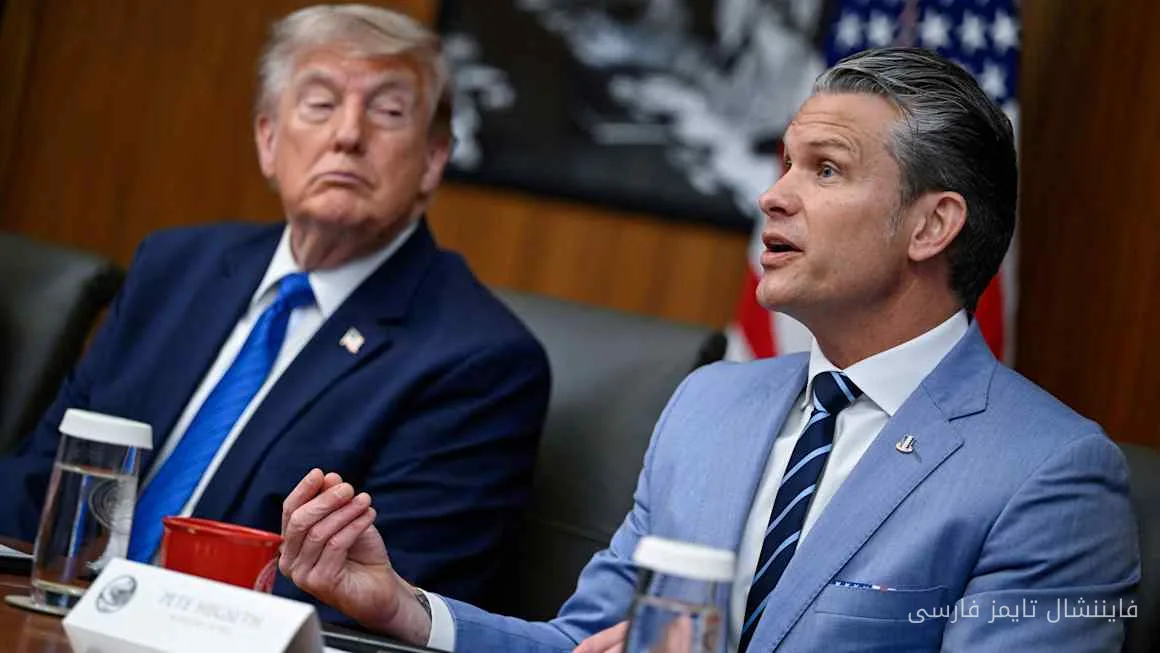
In a controversial turn of events, Peter Higgs, a key figure in the U.S. Department of Defense, was removed from his position due to management issues and his controversial policies. This action not only reflects dissatisfaction within the Department of Defense but also emphasizes the deeper problems the Secretary of Defense is facing.
Is the U.S. Secretary of Defense Harming the Military?
Higgs's dismissal somewhat indicates a management crisis at the Pentagon. As national security is challenged, many are concerned that these management changes could weaken the military capabilities of the United States. Criticism of Higgs's defense policies and decisions regarding hiring and dismissals is clearly felt among senior military officers.
Analysts believe that decision-making processes at the Pentagon are influenced by political and personal pressures. This situation could lead to distrust among military personnel and undermine their morale. In fact, given the global challenges including security threats from rival powers, these dismissals could severely impact the defensive capabilities of the United States.
Consequences of the Management Crisis
In light of recent developments, the question arises whether the current Secretary of Defense can stabilize his position and restore lost trust. Some experts believe that frequent changes in high military ranks could lead to disorder and confusion in defense policies. In this context, the future of the Department of Defense and consequently the national security of the United States is at serious risk.
Ultimately, Higgs's dismissal is just a sign of deeper problems that the Department of Defense is facing. If they cannot quickly overcome this crisis, it may have serious consequences for the military and national security of the United States.