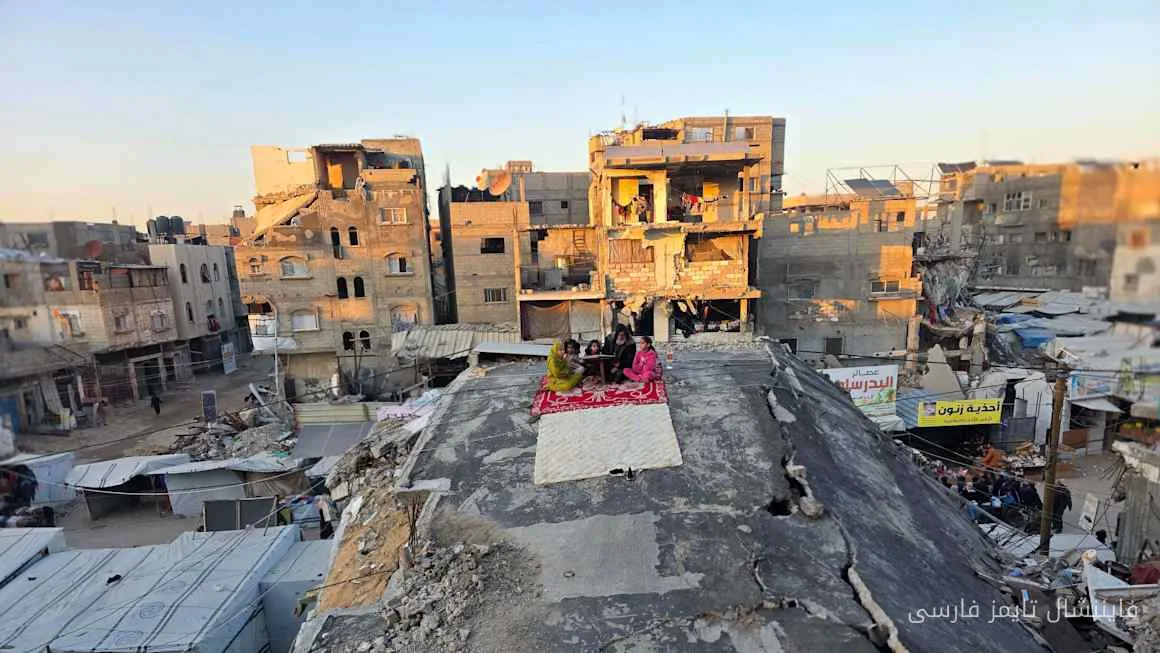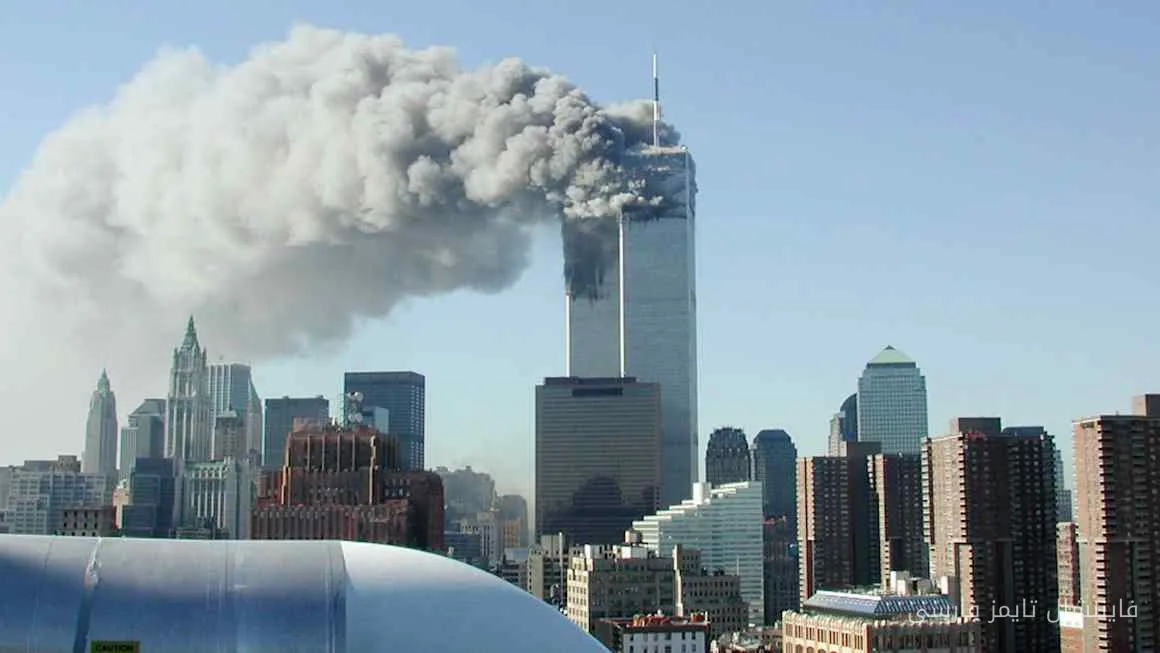
Two decades have passed since the September ۱۱ terrorist attacks, and it seems that the younger generation of Americans has never experienced effective foreign policy. While debt and military spending have dramatically increased, diplomacy and international relations are in a coma.
Government and Military Spending
U.S. defense spending has reached its highest level in history. This increase in spending, which has arisen from multiple wars in the Middle East and military presence in various parts of the world, clearly reflects the priorities of a government that relies on military force rather than diplomacy. In the meantime, foreign governments, especially America's traditional allies, are deeply concerned about sudden changes and instability in U.S. foreign policy.
Diplomacy in the Shadows
While multiple governments around the world are striving to establish diplomatic relations and garner international support, the U.S. seems to be regressing in this area. In fact, many observers believe that the lack of diplomacy has not only led to international distrust but has also eliminated potential opportunities for global cooperation.
This situation has created problems not only for America's allies but also for the United States itself. The younger generation of Americans, witnessing these changes and instabilities in their country's foreign policy, is deeply concerned about their global future. Is there a future for diplomacy? Can the United States confront the challenges ahead as a global power? These are questions that seem to be troubling the new generation of Americans.